Metal doors are a popular choice for many homeowners and businesses in Utah due to their durability, security, and modern aesthetic. However, one common challenge faced with metal doors is thermal transfer – the unwanted movement of heat through the door, which can lead to increased energy bills and less comfortable indoor environments. In this article, we’ll explore practical ways to minimize thermal transfer through metal doors and maintain a cozy, energy-efficient space. Whether you’re upgrading your home or commercial property, understand how to combat heat loss and gain with expert tips from Epic Windows + Doors.
Key Takeaways
- Thermal transfer through metal doors impacts energy efficiency and indoor comfort but can be minimized with proper insulation and door construction.
- Choosing doors with thermal breaks and high-quality weatherstripping significantly reduces heat flow through metal surfaces.
- Professional installation, combined with regular maintenance, ensures optimal performance and durability of your metal doors against thermal transfer.
How To Stop Thermal Transfer Through Metal Doors: Essential Strategies
- Use Doors with Thermal Breaks: Metal is an excellent conductor of heat, which means that heat will easily transfer through a solid metal door without any barriers. Thermal break doors contain a non-metallic section (usually made of plastic or a similar insulating material) between the inner and outer metal panels, dramatically reducing the thermal conduction path. This feature is critical for Utah homeowners who face harsh winters and hot summers, helping maintain consistent indoor temperatures.
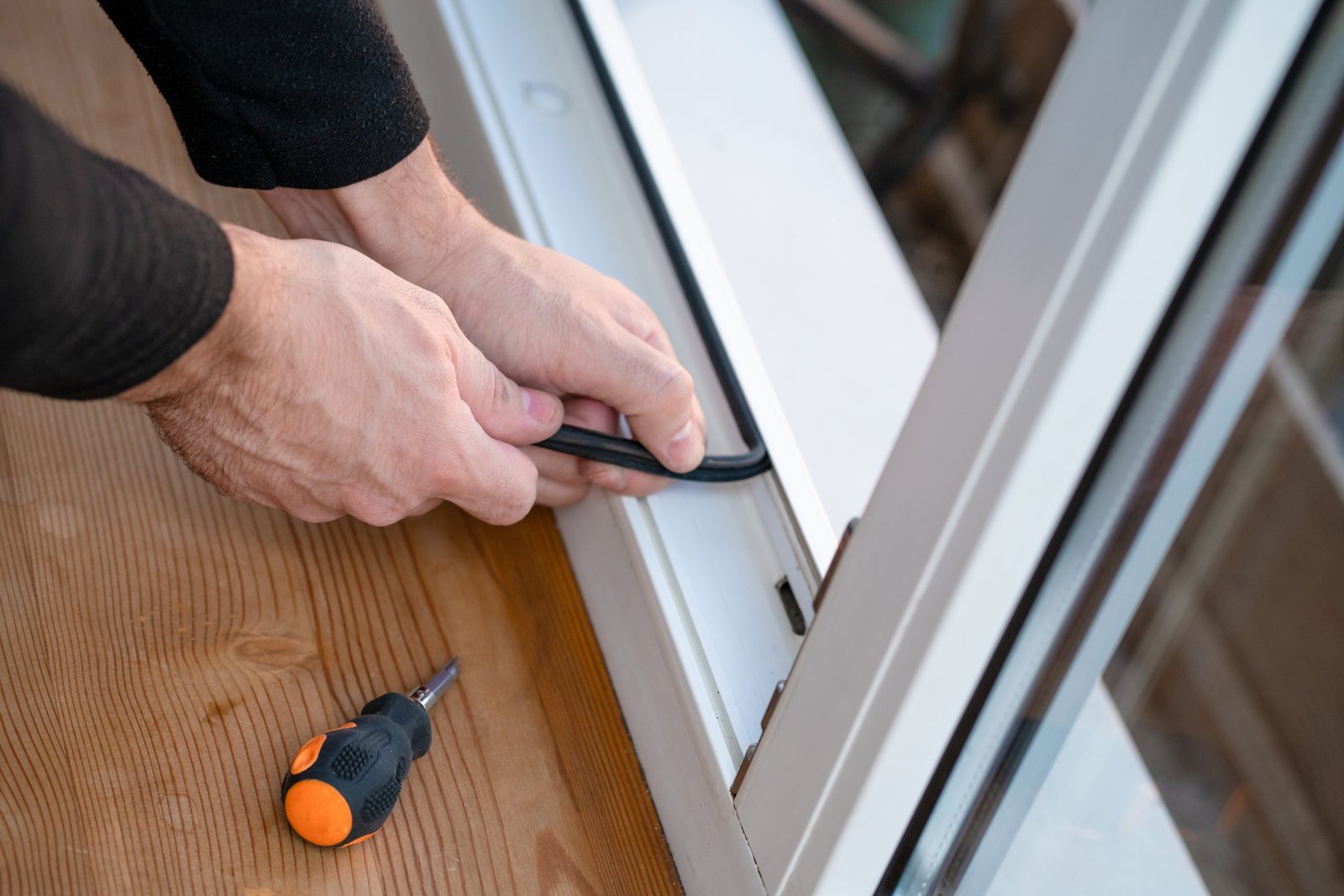
- Install High-Quality Weatherstripping and Seals: Even the best door will perform poorly if hot or cold air leaks through gaps. Proper weatherstripping along the edges of your metal door blocks drafts and prevents thermal leakage. At Epic Windows + Doors, we recommend continuous compression seals or magnetic weatherstripping, which provide a tight seal while allowing smooth door operation. Ensure all seals are inspected and replaced when wear occurs for sustained effectiveness.
- Add Insulation Where Possible: Many metal doors come with insulated cores made of materials like polyurethane or polystyrene foam. These insulating cores help slow the flow of heat through the door itself. If you already own a metal door without insulation, consider adding an insulated storm door or attaching an interior door panel to add a layer of thermal protection. Insulation helps improve your energy efficiency significantly, reducing the workload on your heating and cooling systems.
Frequently Asked Questions
1. What is thermal transfer in metal doors? Thermal transfer is the movement of heat through the door material. Metal doors, due to their conductivity, can easily transfer heat, causing indoor temperatures to fluctuate and increasing energy costs. 2. How does a thermal break work in a metal door? A thermal break is an insulating barrier within the door’s metal frame that interrupts the conductive path of heat. It reduces the heat flow between the inside and outside surfaces of the door. 3. Can I add insulation to an existing metal door? Yes. While it’s best to purchase a door with built-in insulation, you can add insulation by installing an interior door panel or using insulated storm doors to improve thermal performance. 4. How often should I replace weatherstripping on my metal door? Weatherstripping should be inspected annually and replaced every 3-5 years, or sooner if you notice drafts or visible damage. 5. Are metal doors energy efficient? Metal doors can be energy efficient if they include insulated cores and thermal breaks. Without these, they tend to lose more heat than wood or fiberglass doors. 6. Does installing a storm door help reduce thermal transfer? Yes, storm doors add an extra layer of insulation and a buffer against drafts, which helps reduce heat loss or gain through the primary metal door. 7. What kind of insulation material is best inside a metal door? Polyurethane foam is generally preferred for its high R-value and moisture resistance, making it ideal for Utah’s variable climate. 8. Will sealing gaps around my metal door improve energy efficiency? Absolutely. Properly sealing any gaps around your door frame prevents drafts and air leaks, which are major contributors to thermal transfer. 9. How does temperature affect metal doors in Utah? Metal doors expand and contract with temperature changes. This can sometimes loosen seals if not properly installed, increasing thermal transfer risks. 10. Can Epic Windows + Doors help with metal door installation and insulation? Yes, Epic Windows + Doors specializes in professional installation of metal doors with advanced thermal breaks and insulation options, ensuring maximum energy efficiency and comfort for Utah homes and businesses.
Cities We Serve
Epic Windows + Doors proudly serves a wide range of locations throughout Utah including Salt Lake City, Provo, Ogden, Sandy, Draper, Lehi, St. George, Orem, Layton, Park City, and more. Wherever you are in Utah, our expert team is ready to help you enhance your home or business with energy-efficient, thermally optimized metal doors.
Take the Next Step Toward Energy Savings and Comfort
If you’re ready to reduce thermal transfer through your metal doors and improve energy efficiency this year, trust the professionals at Epic Windows + Doors. We provide personalized consultations, expert installations, and top-quality products designed for Utah’s climate. Visit https://oldepicwd.senatormarketing.com/ today to learn more and schedule your consultation with our team. Let’s make your home or business more comfortable and energy smart with the right metal door solutions!